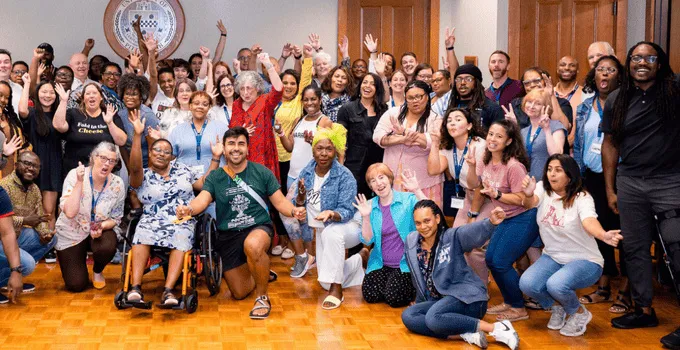

Racial equity work requires sustained commitment, community partnership, and an unflinching willingness to examine systems — not just individual behaviors. Over decades of research, scholars and practitioners have demonstrated that disparities in education, health, housing, and economic opportunity are not the result of individual failings, but of policies and structures designed to produce unequal outcomes. Understanding this is the first step toward changing it.
The path forward demands both urgency and patience. Urgency because lives and livelihoods hang in the balance every day that inequitable systems remain in place. Patience because lasting systemic change is never quick, and meaningful progress requires building trust across communities, institutions, and generations. RECI is committed to both, bridging rigorous scholarship with community-driven action.
Communities most impacted by racial inequity are not simply problems to be solved — they are sources of expertise, resilience, and vision. Centering the voices and leadership of those who have navigated unjust systems firsthand is not charity; it is a prerequisite for effective and lasting change. When solutions emerge from within communities, they are more likely to endure.