

RECI Collaboratory — Racial Equite Consciousness Institute
Understanding Systemic Racism: A Comprehensive Overview
By
RECI
Racial equity work requires sustained commitment, community partnership, and an unflinching willingness to examine systems — not just individual behaviors. Over decades of research, scholars and practitioners have...
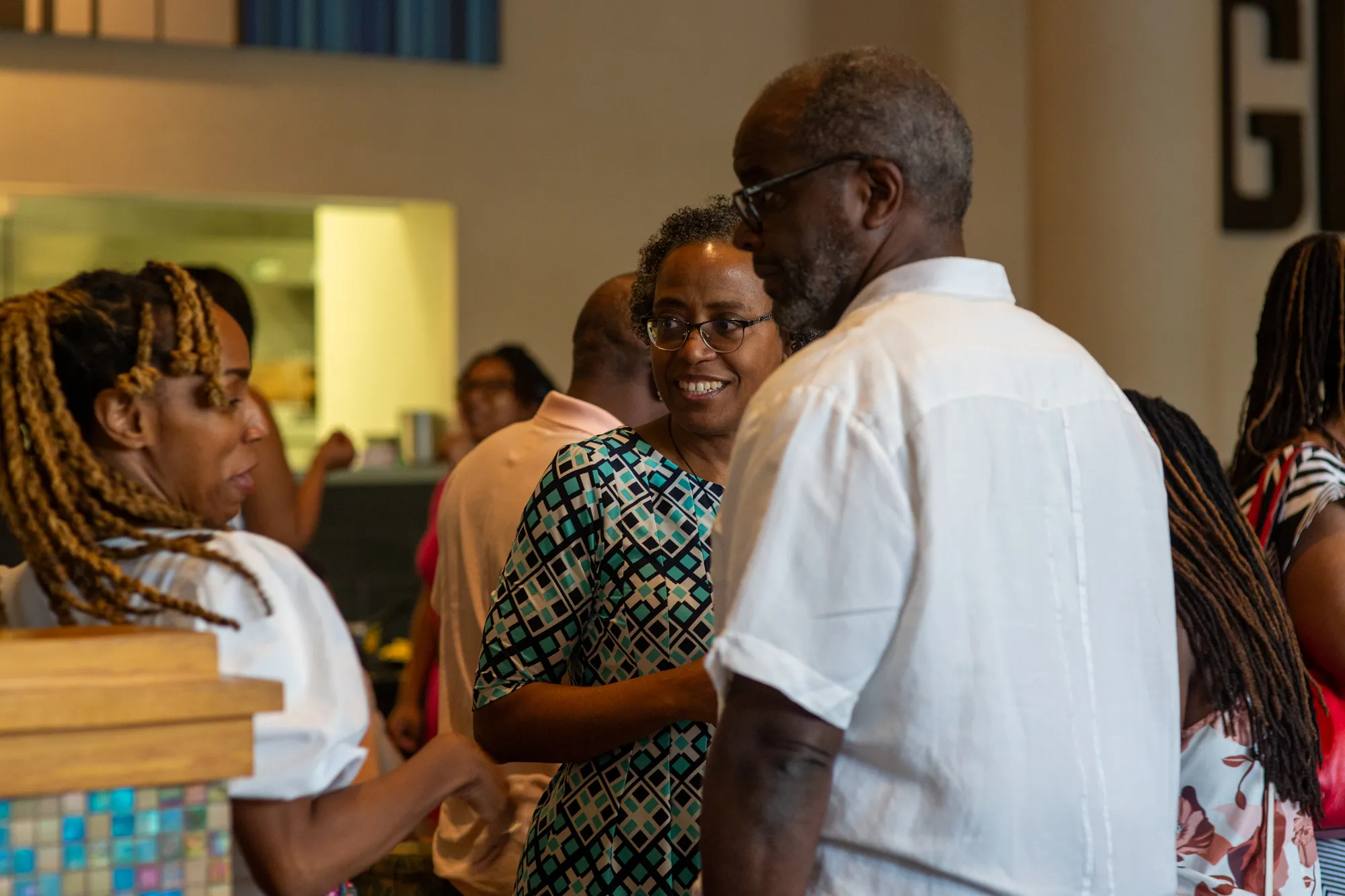
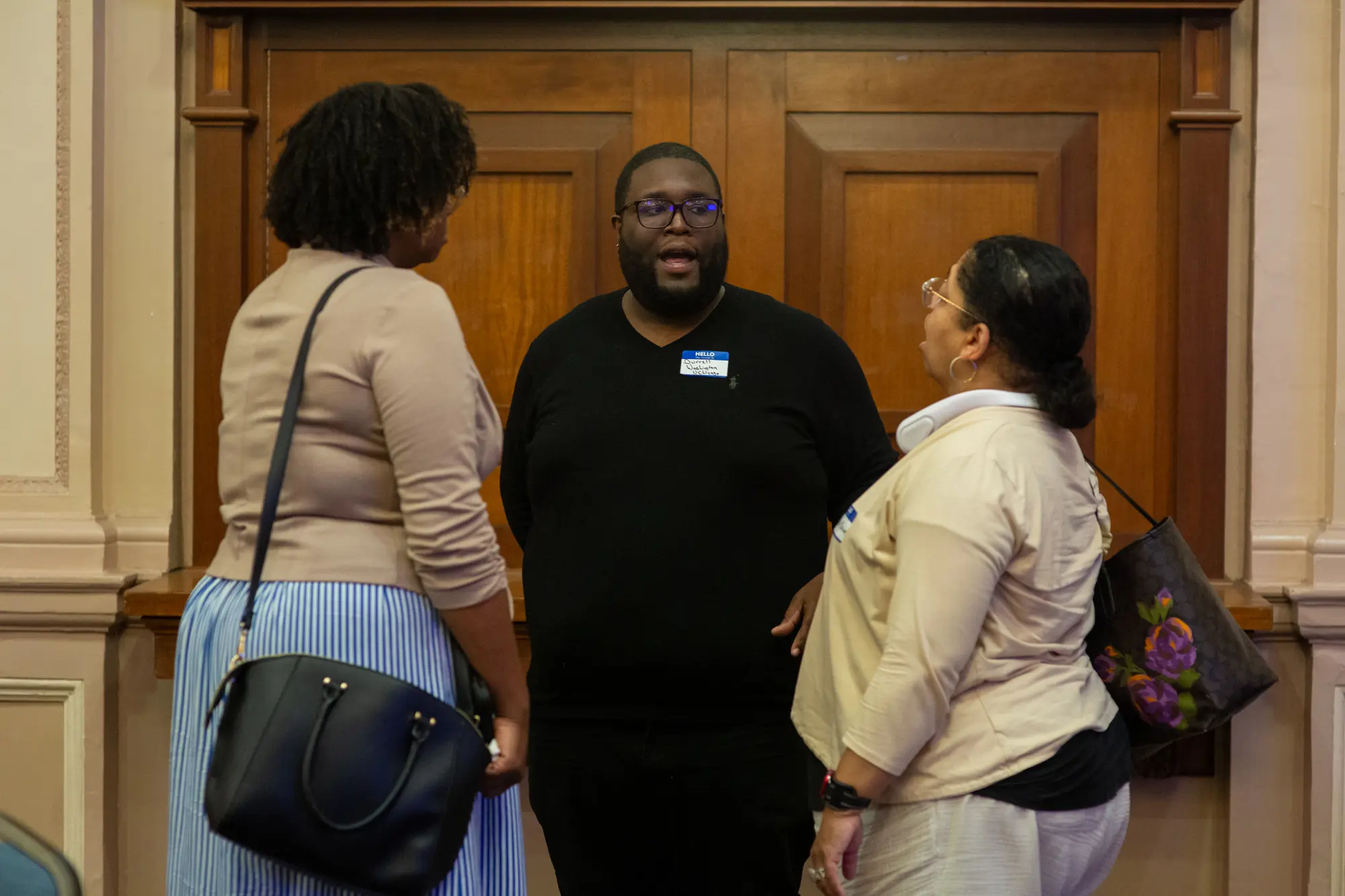
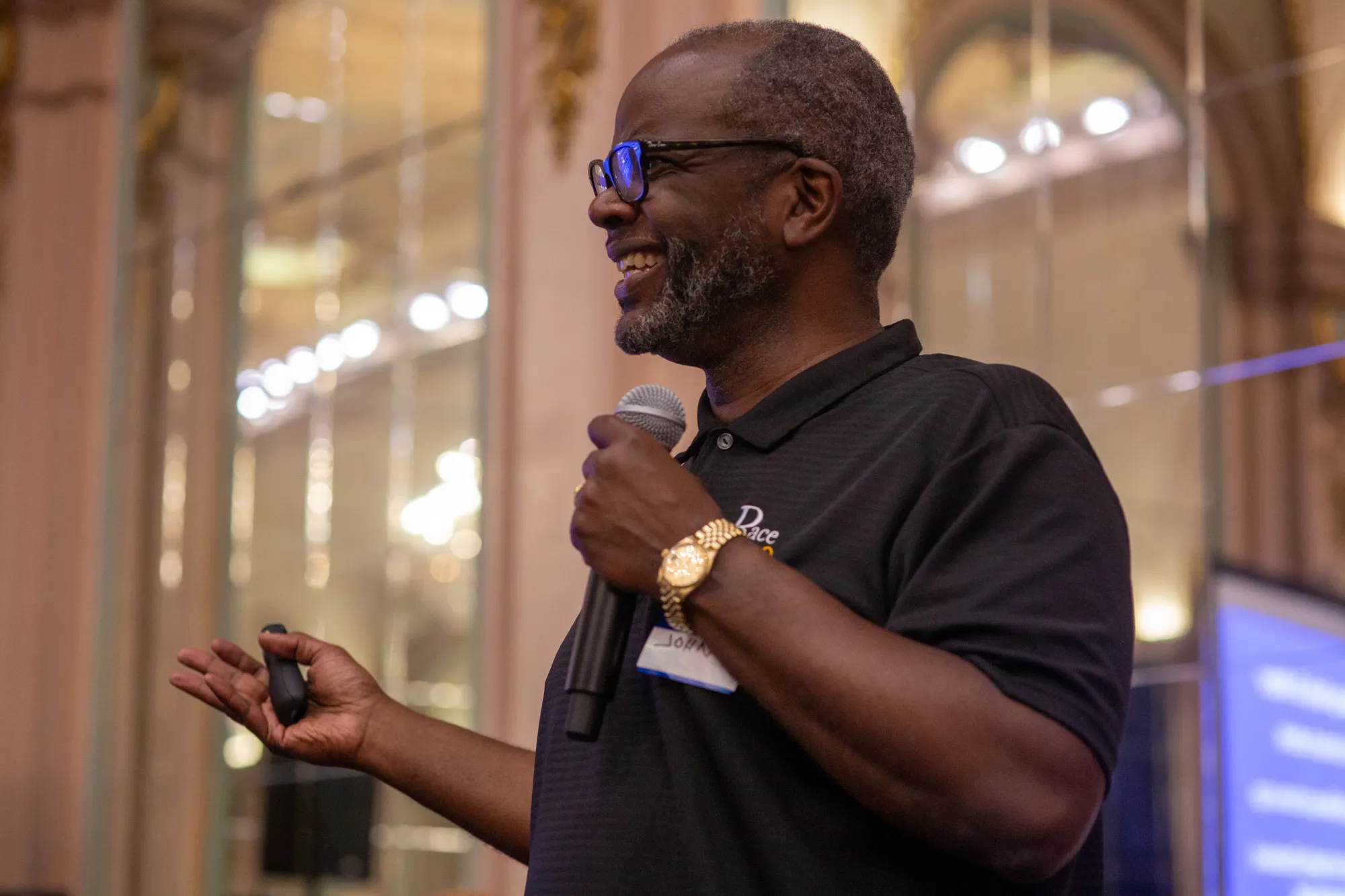
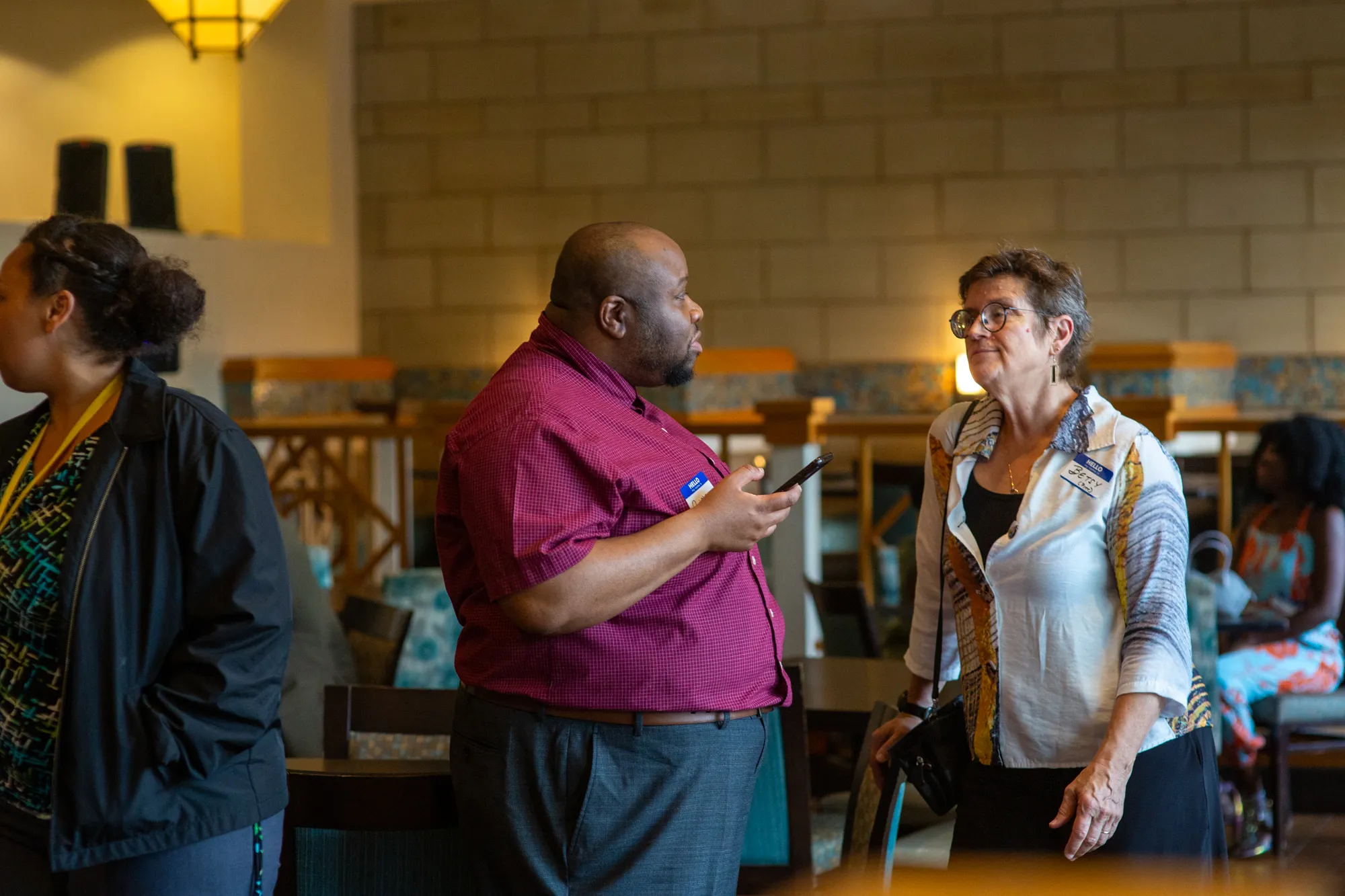
Reflection Gallery
Reflection gallery
Dive into the Racial Equity Consciousness Institute's Virtual Reflection Gallery – a unique space we've created for you to connect with the stories and perspectives of civil rights leaders and activists.
Articles
Minority Language Genocide and Cultural Awareness
By
Tracy Wang
The marginalization of minority languages is widespread worldwide. When mainstream ethnic language users begin to implement assimilation policies, coupled with the influence of modernization factors such as globalization...
Today at RECI
Upcoming
4 Nov, 2026
11:30AM
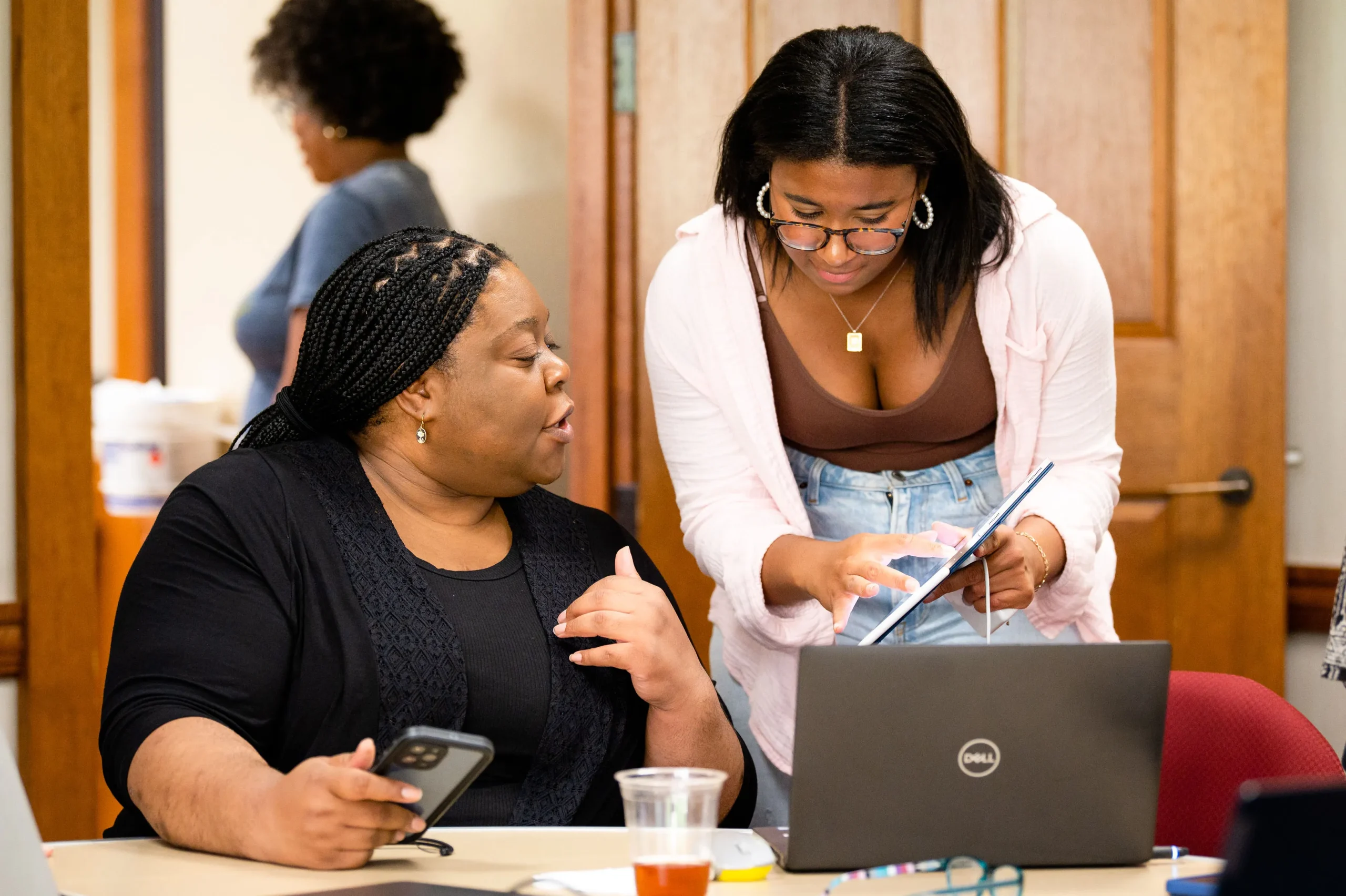
RECI Fall Cohort — Session 14: Gauging Racial Inequities
Explore frameworks for measuring racial inequities and championing racial justice in this penultimate session of the RECI Virtual...
Upcoming
11 Nov, 2026
11:30AM
RECI Fall Cohort — Closing Session
Join us for the final session of the RECI Virtual Fall Cohort as we reflect on our journey...
Upcoming
23 Nov, 2026
9:00AM
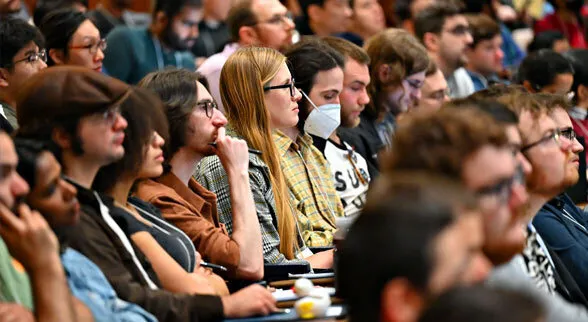
Human Flourishing Symposium
A transformative symposium exploring pathways to thriving — shifting from deficit to possibility in community well-being.
Upcoming
30 Nov, 2026
5:00PM
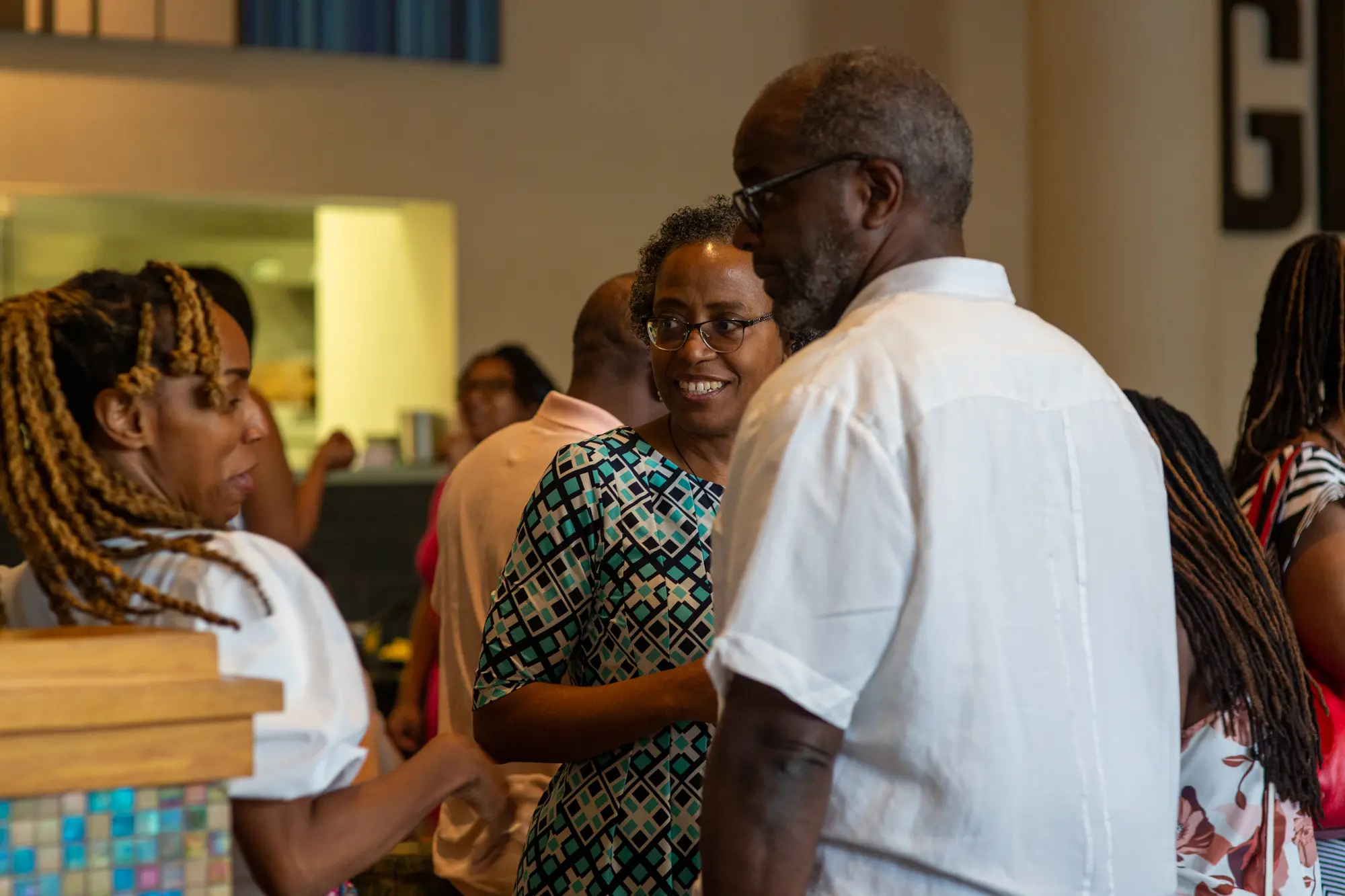
From Minneapolis to Pittsburgh: Supporting Refugee & Immigrant Neighbors
A conversation with front-line supports and organizers on community strategies for supporting refugee and immigrant communities.

Videos
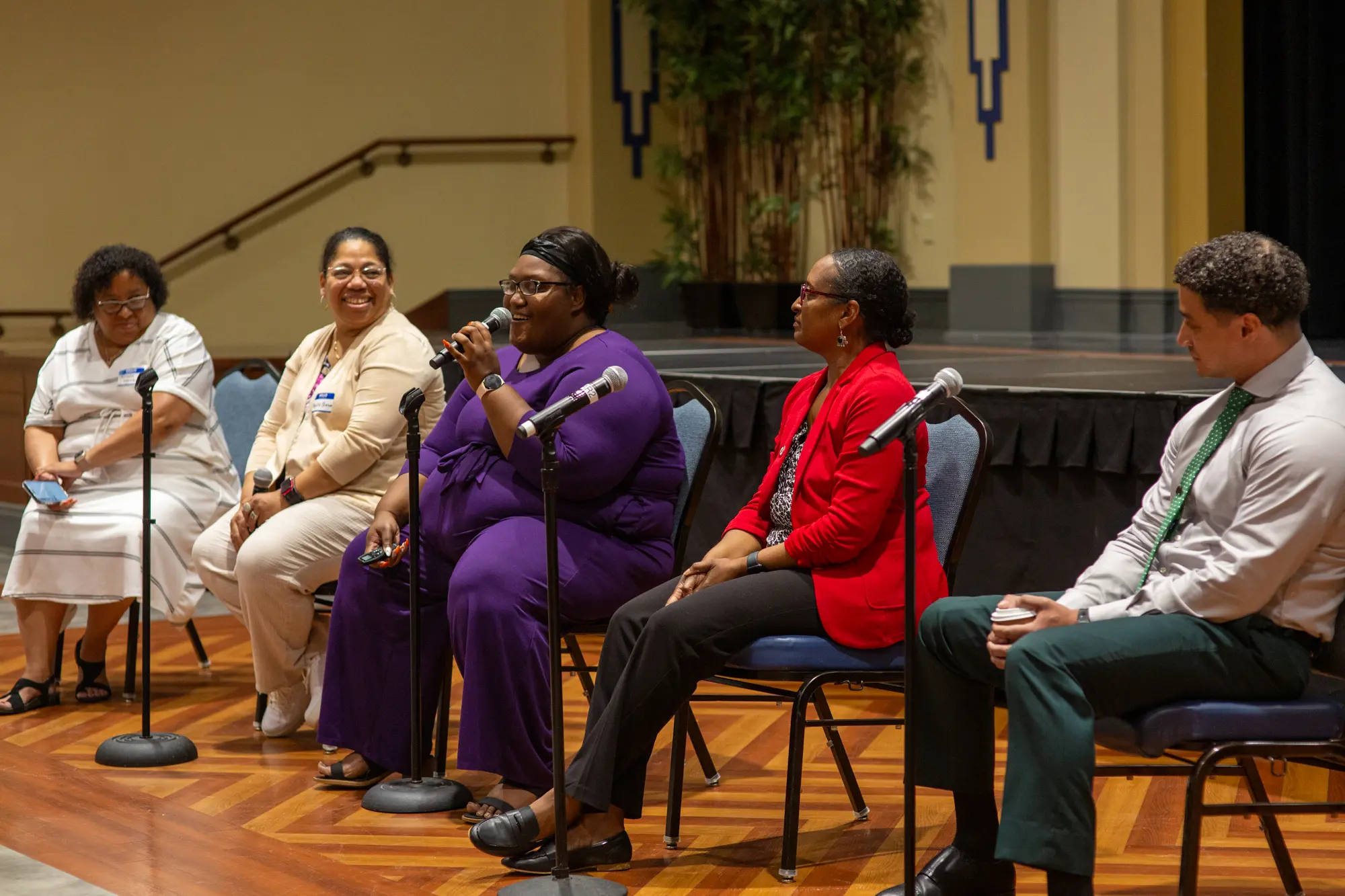
Building Beloved Community – A Peacebuilding and Nonviolence Workshop
Pitt's Center on Race and Social Problems and Frederick Honors College in collaboration with the Alliance for Humanitarian Initiatives, Nonviolence, and Spiritual peacebuilding.
Reflection of the Day
Consciousness is the first step. But consciousness without action is complicity by another name.
– By RECI Cohort Participant
The work of racial equity is not a destination; it is an ongoing process of reflection, education, and praxis.
– By RECI Framework
Racism is a social virus. Racial equity consciousness is the vaccine.
– By Ron Idoko
Founding Director, RECI
Podcasts
Just Heal Bro – Healing Mental Health in Men
Breaking the stigma and rigid hyper-masculinity that bars men from processing vulnerability.
Video episode
Watch episode
Check your lens
View all
Allyship and Inclusion Check
Racial equity work requires sustained commitment, community partnership, and an unflinching willingness to examine...
Start quiz
Racial Anxiety Awareness
Racial equity work requires sustained commitment, community partnership, and an unflinching willingness to examine...
Start quiz
Implicit Bias Reflection
Racial equity work requires sustained commitment, community partnership, and an unflinching willingness to examine...
Start quiz
Community
See what RECI Community makes possible, and learn how to join or contribute
Community Pulse
The cohort model created space for honest conversations that rarely happen across departments. I came in expecting theory; I left with a network of equity practitioners who hold me accountable. That combination of knowledge and community is what makes RECI unique.
Jasmine Okonkwo
Community Engagement Specialist, Pittsburgh Public Schools
The platform makes difficult conversations easier to begin and much more practical to sustain.
Program Participant
Community Partner
RECI changed how I show up in equity work. Before, I thought I understood the issues — now I realize I was only scratching the surface. The cohort model pushed me to examine my own assumptions while building real strategies I can apply in my organization.
Rasheed Thompson
Program Director, Allegheny County Health Department
This work gave me a language for what I already knew but could not articulate. For years I navigated spaces where racial inequity was obvious but unspoken. RECI gave me the frameworks, the data, and the community to name it — and more importantly, to act on it.
Keisha Williams
Senior Policy Analyst, City of Pittsburgh